
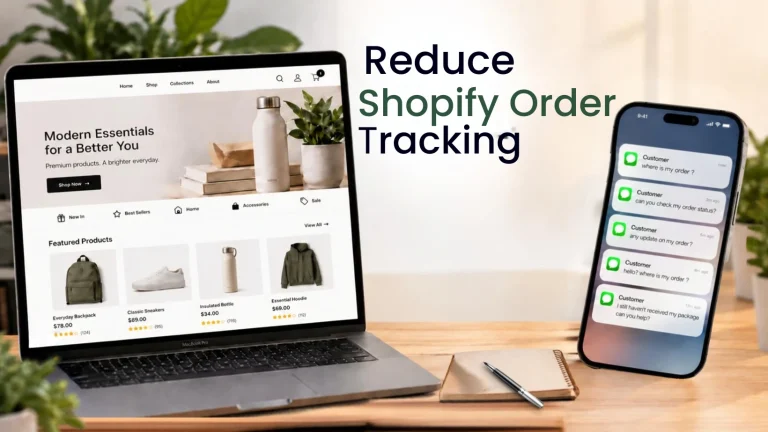
A customer placing an online order wants more than a confirmation that payment was successful. They also want to know when the order is processed, when it leaves the warehouse, which courier is handling it, and when they can expect delivery.
When this information is unclear, customers often contact the store with the same question: “Where is my order?”
For United Arab Emirates e-commerce businesses, Shopify order tracking can make the period between checkout and delivery easier to understand. Clear order updates can reduce repetitive customer support questions, build confidence, and improve the post-purchase experience.
Why Order Tracking Matters After Checkout
Completing checkout is not the end of the customer journey. The period between payment and delivery can strongly influence how customers feel about the store.
A shopper may become concerned if several days pass without an update. Even when the order is moving normally, a lack of information can make customers think something has gone wrong.
Clear order status information lets customers check progress without contacting support every time they want an update.
Why Customers Ask, “Where Is My Order?”
Most order-tracking questions stem from uncertainty.
A customer may receive an order confirmation but no clear shipping update. Another shopper may receive a tracking number without knowing where to use it. Delivery information may also be spread across several emails or courier websites.
Delays can create even more questions when the expected delivery date is unclear.
The goal is not simply to provide a tracking number. Stores should make tracking information easy to find, understand, and use throughout the delivery journey.
Make the Order Status Easy to Find
Customers should not need to search through old emails or contact support just to find their order status.
A clear order status page can provide important information in one place. Depending on the delivery setup, customers may be able to see whether an order has been confirmed, fulfilled, shipped, or delivered.
Tracking links can also be included in relevant customer notifications so shoppers can return to the latest delivery information easily.
The simpler the process feels, the less likely customers are to contact the store for basic status updates.
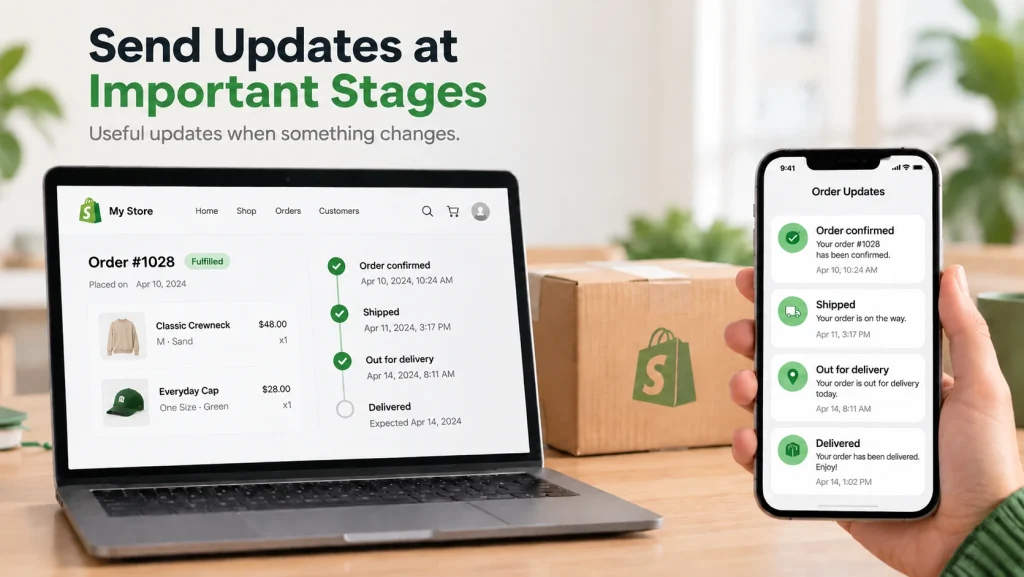
Send Updates at Important Stages
Customers do not necessarily need a message every few hours. They need useful information when something important changes.
An order confirmation can show that the purchase was received successfully. A shipping update can tell the customer that the package has left the store or warehouse. A delivery update can help them prepare to receive the order.
The exact communication flow will depend on the business, courier, and delivery process.
What matters is that customers are not left wondering whether anything has happened since checkout.
Make Tracking Links Clear
A tracking number alone may not mean much to a customer.
Stores should make it obvious where customers can check the shipment. A clear tracking button or link can reduce the effort required to understand delivery progress.
If an external courier website is used, customers should know that the link will take them to the courier tracking page.
Businesses developing or improving their e-commerce experience can review MAQ Shopify development services when they need support with store functionality, integrations, customization, and customer journeys.
Connect Shopify With Delivery Partners
Many United Arab Emirates e-commerce stores work with external delivery companies.
When shipping information has to be entered manually across several systems, mistakes or delays can occur. A customer may receive a tracking number late, or the Shopify order status may not reflect the latest information available from the courier.
Depending on the systems involved, integrations can help information move more smoothly between the Shopify store and delivery services.
The objective should be to reduce manual updates while giving both the business and the customer clearer delivery information.
Consider WhatsApp Order Updates
WhatsApp is an important communication channel for many businesses in the United Arab Emirates.
Customers may already use it to ask product questions, confirm delivery details, or contact customer service. This makes it useful to consider how WhatsApp fits into the order communication journey.
For example, businesses may use suitable integrations to send useful order information or direct customers towards a tracking page.
The experience should remain simple. Too many messages can become distracting, while well timed updates can answer common questions before customers need to contact support.
Prepare for Delivery Delays
Good order tracking does not mean every delivery will arrive exactly as planned. Weather, address issues, courier capacity, customer availability, and other operational factors can sometimes affect delivery.
The important part is how the store handles the situation. If a delay is known, customers should receive useful information where possible. A customer who understands that an order is delayed and knows what happens next is less likely to feel ignored.
Clear communication can help protect customer trust even when the delivery itself does not go according to plan.
Keep Customer Support Informed
Order tracking should also make life easier for the support team. When customers contact the business, employees should be able to see useful order information without searching through several platforms.
If support teams can quickly check order status, fulfilment information, shipping details, and customer information, they can provide clearer answers.
This becomes more important as order volume grows. A process that works for twenty orders may become difficult when the store begins handling hundreds or thousands.
Order Tracking Builds Customer Trust
Customers often pay before receiving a physical product. That creates a period where they are relying on the business to complete the promise made during checkout.
Clear tracking information can make this period feel more transparent. Customers can see that the order is progressing and know where to look if they need more information.
A positive delivery experience may also influence whether customers feel comfortable buying from the same store again.
Avoid Unnecessary Apps
There are Shopify apps designed specifically for tracking orders, creating branded tracking pages, sending notifications, and connecting with delivery providers.
These tools can be useful, but every Shopify store does not need the same setup.
A smaller store may be able to use existing Shopify features and courier tracking. A growing ecommerce business working with several couriers may need additional functionality, automation, or integrations.
The decision should be based on order volume, customer expectations, support workload, delivery partners, and the level of tracking information required.
Review the Full Post-Purchase Experience

Order tracking should not be treated as an isolated feature.
Businesses should review what customers experience immediately after checkout, when the order is confirmed, when fulfilment begins, when shipping information becomes available, and when the package is delivered.
This journey may involve email, SMS, WhatsApp, Shopify pages, courier websites, and customer support.
MAQ ecommerce development services can support businesses planning e-commerce websites, integrations, customer journeys, payment experiences, and connected digital systems.
The easier these touchpoints are to understand, the fewer reasons customers have to ask for information manually.
How MAQ Can Support Shopify Order Tracking
MAQ Computer Services LLC supports United Arab Emirates e-commerce businesses with Shopify development, ecommerce solutions, integrations, customization, and connected customer experiences.
Support can include reviewing existing order journeys, improving store functionality, connecting relevant systems, creating customer-friendly interfaces, and identifying areas where repetitive manual processes can be reduced.
MAQ can also help businesses consider how their Shopify store connects with delivery operations, customer communication, ecommerce workflows, and wider business systems.
The objective is not simply to add another tracking feature. It is to create an experience where customers can understand what is happening after they place an order.
Turn Order Tracking Into a Better Customer Experience
Customers should not have to contact a store every time they want to know what is happening with their purchase.
Clear Shopify order tracking can give shoppers more visibility while reducing repetitive questions for customer service teams.
United Arab Emirates e-commerce businesses should review how customers move from checkout to delivery and identify where information becomes unclear.
Better tracking pages, useful notifications, clear courier links, suitable integrations, and responsive support can create a smoother post-purchase journey.
When customers know where their order is and what happens next, the delivery experience becomes easier for both the shopper and the business.
Frequently Asked Questions
Can Shopify customers track an order without creating an account?
Customers can often access order information through links provided by the store, depending on the Shopify setup and fulfilment process.
Can Shopify order tracking work with multiple couriers?
It can, but the setup depends on the couriers, available integrations, apps, and the way the business manages fulfilment.
Should a Shopify store create a branded tracking page?
A branded tracking page can be useful when a business wants customers to remain within a consistent store experience while checking delivery progress.
Can order tracking reduce customer support workload?
Yes. When customers can easily find accurate delivery information themselves, they may have less need to contact the support team for routine status questions.
What should a business check if Shopify tracking information is incorrect?
The business should review fulfilment information, tracking numbers, courier updates, integrations, and any apps involved in transferring shipping data.


