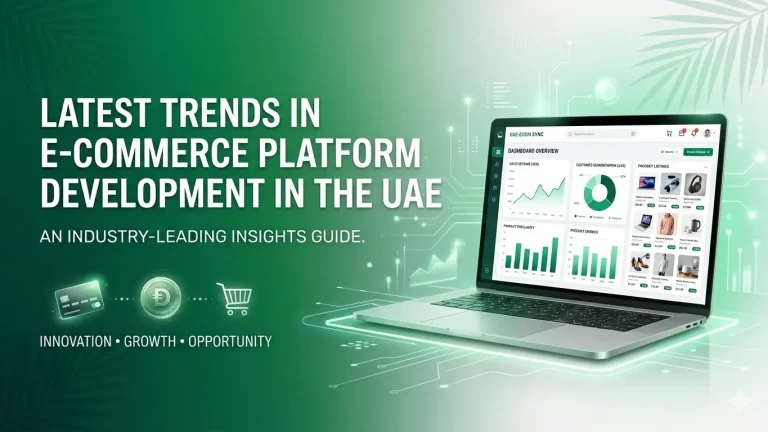
Online retail continues to evolve as businesses adopt innovative technologies and adapt to changing consumer expectations. What are the latest trends in e-commerce platform development in the UAE? This question has become crucial for companies in fast-growing digital markets like the UAE, where online shopping continues to grow at a rapid pace. From AI-powered product recommendations to immersive shopping experiences, the latest trends in e-commerce are reshaping how digital stores are built, managed, and optimized.
In this guide, MAQ Computer Services LLC explores the technologies and strategies driving the future of online retail platforms. Companies investing in e-commerce website development UAE are increasingly leveraging scalable infrastructure, automation tools, and cutting-edge platform technologies to stay competitive. This modular approach allows organizations to respond quickly to evolving e-commerce trends without rebuilding entire systems, making it highly suitable for the fast-paced UAE market.
Focusing on mobile performance, modern e-commerce platforms in the UAE capture on-the-go shoppers and improve conversion rates.
Latest Trends in E-Commerce Platform Development in 2026
1. AI-Powered Personalization
Artificial intelligence has become one of the most influential forces in online retail. By analyzing customer behavior, browsing patterns, and purchase history, AI provides highly personalized shopping experiences. Key applications include:
- Intelligent product recommendations
- Predictive search results
- Automated marketing campaigns
- Dynamic pricing strategies
Businesses implementing e-commerce website development UAE can improve engagement and conversion rates through AI. In addition, predictive analytics help companies anticipate customer needs, manage inventory efficiently, and make data-driven decisions.
2. Headless and Composable Commerce
The modular approach to commerce architecture separates the front-end interface from the backend commerce system. Benefits include:
- Greater design flexibility
- Faster website performance
- Easier integration with third-party tools
- Rapid innovation and updates
This architecture allows companies to respond quickly to evolving e-commerce trends without rebuilding entire systems, making it ideal for the fast-paced UAE market. Many businesses also rely on professional consultancy services for effective implementation.
3. Mobile-First Commerce Architecture
Mobile devices now generate most online shopping traffic worldwide. Prioritizing mobile-first development ensures platforms offer:
- Responsive design across devices
- Faster page loading speeds
- Simplified navigation
- Mobile-optimized checkout processes
Focusing on mobile performance helps UAE businesses capture on-the-go shoppers and improve conversion rates. Smooth mobile experiences also strengthen customer satisfaction and brand loyalty.
4. Social Commerce Integration
Social media is emerging as a powerful sales channel. Social commerce enables customers to discover, engage, and purchase products directly within apps like Instagram, Facebook, and TikTok. Key advantages:
- Higher brand visibility
- Seamless checkout experiences
- Influencer-driven marketing opportunities
Businesses targeting digitally active UAE consumers leverage social commerce to boost online sales, engagement, and product awareness.
5. Augmented Reality (AR) Shopping Experiences
AR technology transforms how customers interact with products online. Examples include:
- Visualizing furniture in home spaces
- Trying accessories or clothing virtually
- Previewing electronics or appliances
Immersive experiences increase buyer confidence and reduce product returns. AR adoption is rapidly growing in the UAE, appealing to consumers who value interactive shopping experiences.
6. Omnichannel Commerce Platforms
Modern shoppers interact with brands across multiple channels—websites, marketplaces, social media, and physical stores. Omnichannel commerce ensures a seamless experience across all touchpoints. Benefits include:
- Unified inventory management
- Centralized order tracking
- Consistent customer experience
- Improved operational efficiency
Companies implementing omnichannel platforms in the UAE create cohesive shopping journeys that increase engagement, loyalty, and revenue.
7. Advanced Payment Solutions
Flexible and secure payment options improve the online shopping experience.
Innovations include:
- Digital wallets.
- Buy Now Pay Later (BNPL) options.
- Multi-currency checkout systems.
- Subscription-based billing models.
Integrating a proper E-commerce Privacy Policy UAE ensures customer data is handled securely, building trust and encouraging repeat purchases in the UAE’s growing e-commerce market.
8. AI Chatbots and Conversational Commerce
AI chatbots are transforming customer support by providing real-time assistance. They can:
- Answer queries instantly
- Guide product discovery
- Track order status
- Deliver personalized recommendations
Conversational commerce enables 24/7 support, reduces operational costs, and increases engagement—a key e-commerce trend in 2026.
9. Data-Driven Decision Making
Modern online store management relies heavily on analytics. Platforms provide insights into:
- Customer behavior patterns
- Sales performance metrics
- Marketing effectiveness
- Product demand trends
These insights help businesses optimize strategies, reduce costs, and improve service quality. Data-driven decisions are essential for growth in the UAE’s competitive e-commerce market.
Why E-Commerce Is Rapidly Growing in the UAE
The UAE has emerged as one of the fastest-growing digital commerce markets in the Middle East. Several factors are driving this rapid growth:
- High Internet and Smartphone Penetration: Almost the entire population—nearly 99%—has internet access, and smartphones are the primary channel for online shopping. Mobile apps provide quick, convenient purchasing experiences for consumers on the go.
- Strong Logistics and Delivery Infrastructure: Advanced shipping networks, global hubs such as Dubai International Airport, and same-day delivery services make e-commerce a reliable and attractive option for shoppers.
- Government Support and Digital Policies: Initiatives like e-commerce regulations, free zone incentives, and fintech support encourage businesses to invest in online platforms, creating a favorable environment for digital commerce growth.
- Tech-Savvy and High-Spending Consumers: Millennials and Gen Z dominate online shopping in the UAE. With significant disposable incomes and a preference for fast, convenient purchases, they drive strong demand for modern e-commerce solutions.
- Growth of Digital Payments and Fintech: Secure digital wallets, BNPL (Buy Now, Pay Later) options, and other fintech innovations reduce friction in transactions while increasing trust and confidence among shoppers.
- Expansion of Global and Regional E-Commerce Platforms: The presence of international marketplaces, local platforms, and retailers launching online stores enhances product variety, availability, and competitive pricing, benefiting consumers and businesses alike.
- Increasing Consumer Demand for Convenience: Shoppers increasingly expect fast product discovery, easy comparisons, and flexible delivery and return policies, all of which fuel the adoption of online retail channels.
The Future of E-Commerce Platform Development
The future of digital retail will continue to be shaped by innovation and automation.
Emerging technologies expected to influence the industry include:
- AI shopping assistants
- immersive AR and VR retail environments
- voice commerce technology
- automated logistics and fulfillment systems
Businesses that follow the latest trends in e-commerce platform development will be better positioned to compete in the rapidly evolving global e-commerce market.
Conclusion
The rapid evolution of digital commerce offers businesses opportunities to improve online presence and customer experience. Understanding new e-commerce trends, including AI personalization, mobile-first development, omnichannel integration, and advanced payments, is essential for building scalable and future-ready online stores.
Companies implementing modern trends can increase sales, strengthen engagement, and maintain a competitive edge in the UAE’s fast-growing e-commerce sector. Investing in innovative technologies and professional development services is critical to long-term digital success.
Ready to Build a Future-Ready E-Commerce Platform?
The MAQ Computer Services LLC team helps businesses develop high-performing online stores through advanced e-commerce website development UAE. By combining scalable infrastructure, optimized storefront design, and modern technologies, businesses can create powerful e-commerce platforms that thrive in a competitive digital marketplace.
Contact Us:
Call: +971 55 494 3599 / +971 50 708 0116
Visit: MAQ Computer Services LLC
1. How fast are e-commerce trends evolving in the UAE?
E-commerce platforms must adopt new technologies to remain competitive and meet customer expectations. Businesses that delay innovation risk losing market share as customer preferences shift rapidly. Continuous monitoring of emerging trends is essential to stay relevant in the UAE’s dynamic e-commerce landscape.
2. Which industries are leading UAE e-commerce adoption?
Retail, fashion, electronics, and beauty sectors are early adopters of modern digital platforms. Other sectors like groceries and home goods are increasingly investing in e-commerce solutions due to rising online demand.
3. How do modern platforms improve performance?
Through scalable architecture, faster loading speeds, and optimized checkout flows. Improved platform performance reduces bounce rates, encourages repeat purchases, and strengthens overall customer satisfaction.
4. Why is mobile-first design critical in the UAE?
Smartphone dominance makes mobile optimization essential for conversions. With UAE consumers increasingly shopping on-the-go, mobile-first platforms capture more traffic and increase revenue potential.
What does e-commerce website development UAE include?
Platform setup, custom design, payment gateway integration, mobile optimization, analytics services, security enhancements, and ongoing support. These services ensure businesses maintain high-performing online stores capable of adapting to future trends.